| Arnica longifolia | |
|---|---|
 | |
Scientific classification  | |
| Kingdom: | Plantae |
| Clade: | Tracheophytes |
| Clade: | Angiosperms |
| Clade: | Eudicots |
| Clade: | Asterids |
| Order: | Asterales |
| Family: | Asteraceae |
| Genus: | Arnica |
| Species: | A. longifolia |
| Binomial name | |
| Arnica longifolia | |
| Synonyms | |
| |

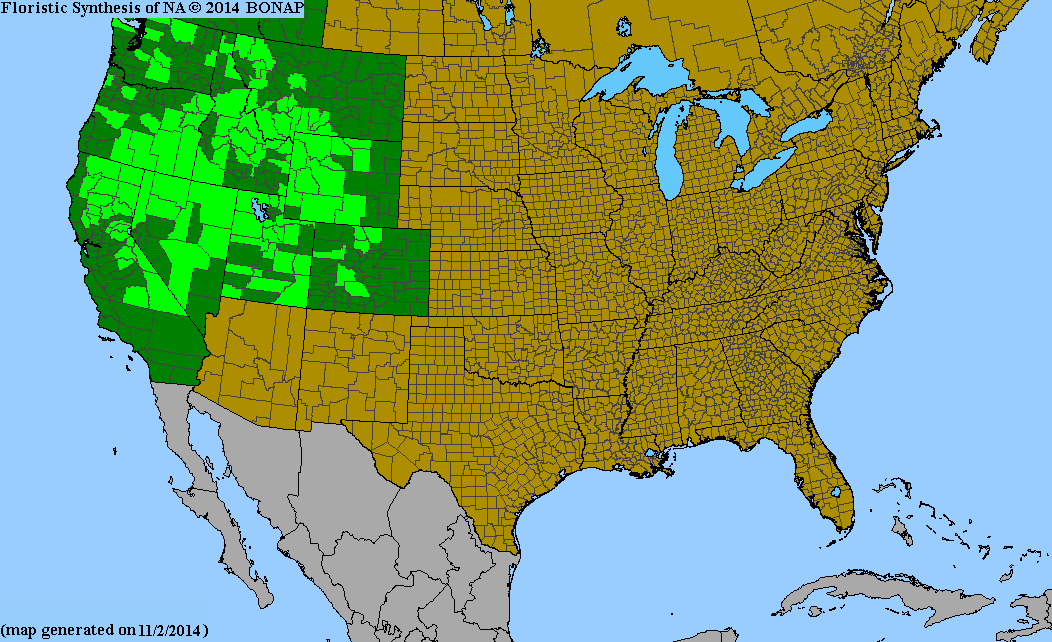
Arnica longifolia is a North American species of arnica in the sunflower family, known by the common names seep-spring arnica,: 112 longleaf arnica and spearleaf arnica. This flowering perennial is native to the forests of western Canada (British Columbia + Alberta) and the western United States (Rocky Mountains, Cascades, Coast Ranges, Sierra Nevada and other mountains of California, Oregon, Washington, Idaho, Nevada, Utah, Wyoming, Colorado, and Montana).