Constantine II of Bulgaria
| Constantine II | |
|---|---|
| Emperor of Bulgaria | |
| Reign | 1397 – 1422 |
| Predecessor | Ivan Sratsimir |
| Successor | Position abolished Mehmed I (as ruler of Ottoman Bulgaria) Alexander I (as prince of Bulgaria after the 1878 Treaty of Berlin) |
| Born | 1369 Vidin, Tsardom of Bulgaria |
| Died | 17 September 1422 (aged 52–53) Belgrade |
| House | Sratsimir |
| Father | Ivan Sratsimir |
| Mother | Anna Basarab |
Constantine II (Bulgarian: Константин, romanized: Konstantin) ruled as emperor (tsar) of the Tsardom of Vidin from 1397 to 1422. He was born in the early 1370s and died in exile at the Serbian court on 17 September 1422. Constantine II claimed the title Emperor of Bulgaria and was accepted as such by foreign governments, but he is often omitted from listings of rulers of Bulgaria.
Life
Constantine II Asen was the son of Ivan Sratsimir (Ivan Sracimir) of Bulgaria by Anna, daughter of prince Nicolae Alexandru of Wallachia. He was crowned co-emperor by his father in or before 1395 when he was sent on a mission to the old Bulgarian capital Tarnovo. He had two sisters, one of whom, Dorothea, became the wife of Tvrtko I Kotromanić and the first queen of Bosnia. On his father's side, Constantine belonged to the Bulgarian royal dynasty of Shishman. His grandfather was Tsar Ivan Alexander. On his mother's side, he belonged to the Wallachian ruling dynasty of Basarab. His uncles were John Radul I and John Vladislav I, and Mirco the Elder was his first cousin.
Very little is known about Constantine II's circumstances after his father's arrest and imprisonment by Sultan Bayezid I in 1396. At that time, Ivan Stratsimir was contributing with soldiers to assist the Christian nations' bid to resist the advance of the Ottoman Empire. Following the Battle of Nicopolis, Vidin finally fell under the sphere of the Ottomans led by Bayezid I.
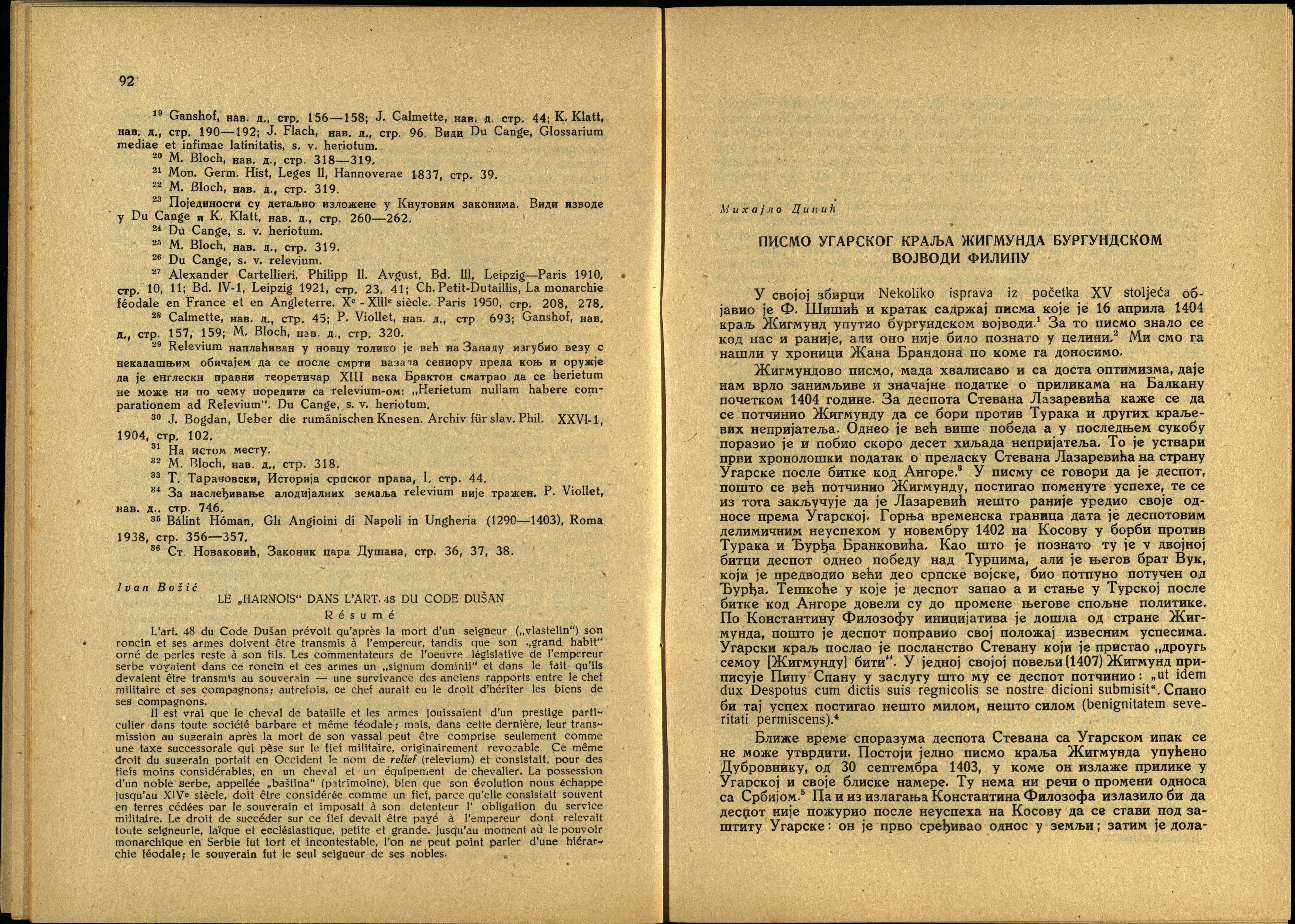
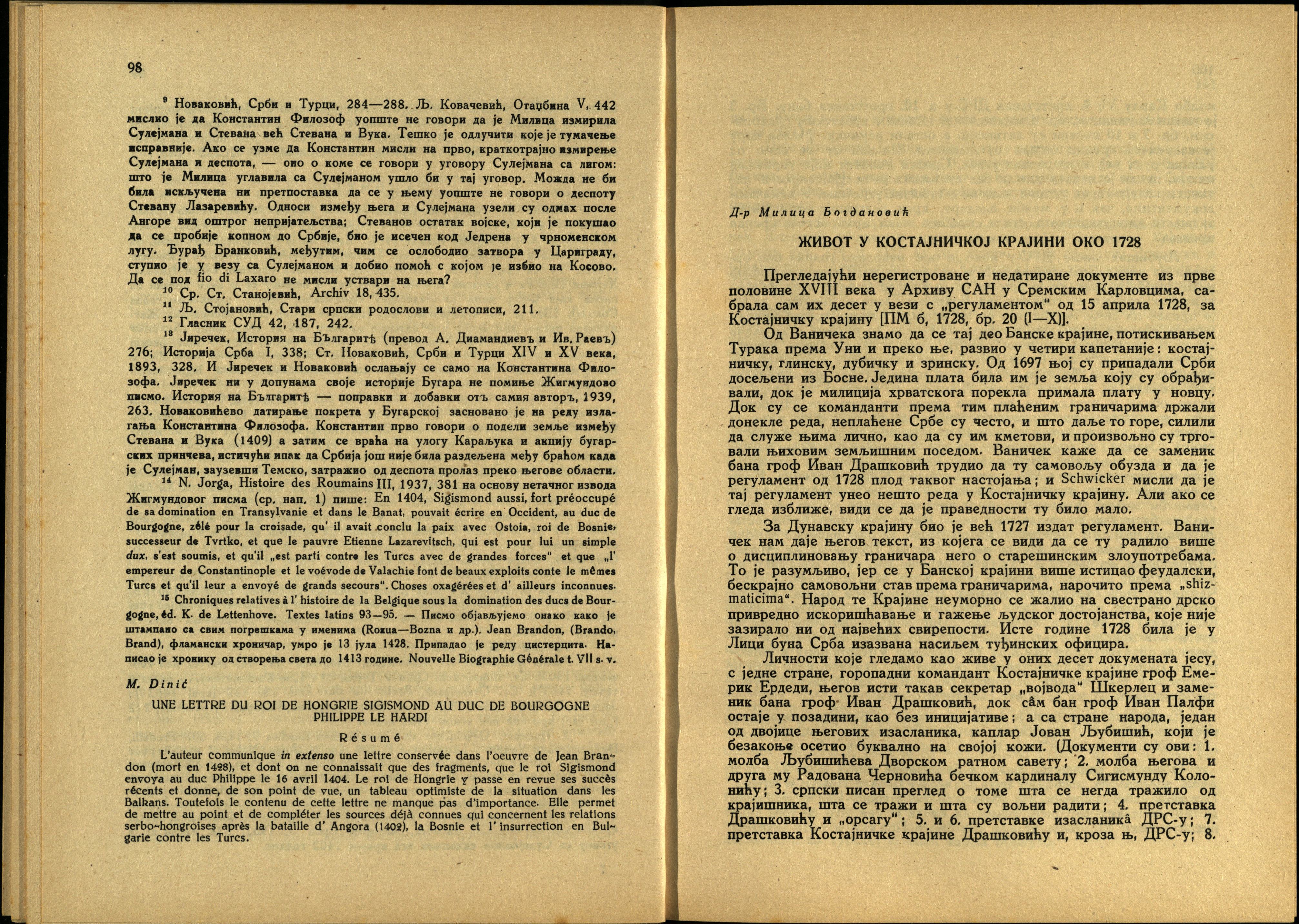
In a letter to Philip the Bold, Duke of Burgundy dated 16 April 1404, King Sigismund of Hungary listed 'renowned/illustrious Constantine, magnificent emperor of Bulgaria', alongside Stefan Lazarević and Mircea the Elder, as having returned to his protection and authority ["ad sinum majestatis nostrae sub nostra obedientia reversi sunt"].
Some Bulgarian historians, such as Plamen Pavlov and Ivan Tyutyundzhiev, suppose that Tsardom of Vidin's most western territories may have remained under Constantine II's rule almost until his death in 1422. Together with his cousin Fruzhin, son of Ivan Shishman. Constantine II took advantage of the Ottoman Interregnum to raise an anti-Ottoman revolt in northwestern Bulgaria. Constantine II was also allied to the Serbian despot Stefan Lazarević and the Wallachian voivode Mircea I. The anti-Ottoman rebellion lasted for half a decade (1408–1413) and spread to much of Bulgaria until the rebels were defeated by the Ottoman Sultan Musa.
The Bulgarians attempted to make up for their losses by siding with Musa's brother and rival Sultan Mehmed I, but the latter's victory did little to improve their situation. After Mehmed I's victory in 1413, Constantine II spent much of his life in Hungary and Serbia. His last possessions in Bulgaria were annexed by the Ottomans under Murad II in 1422, and shortly afterwards Constantine II died at the Serbian court on September 17, 1422.
Constantine II was the last emperor of Bulgaria, and his dispossession and death in 1422 marks the end of the Second Bulgarian Empire. The Ottoman conquest had begun in earnest half a century earlier, in 1369, and their rule lasted until 1878.

Honours
Konstantin Buttress on Nordenskjöld Coast in Graham Land, Antarctica, is named after Constantine II of Bulgaria.
Notes
- ↑ A Concise History Of Bulgaria, Cambridge Concise Histories, R. J. Crampton, Cambridge University Press, 2005, ISBN 0521616379, p. 28.
- ↑ The Late Medieval Balkans: A Critical Survey from the Late Twelfth Century to the Ottoman Conquest, John Van Antwerp Fine, University of Michigan Press, 1994, ISBN 0472082604, pp. 423-425.
- ↑ Brandon, Jean; De But, Adrien (1870). Chroniques relatives à L'Histoire De La Belgique sous la domination Des Ducs De Bourgogne / Chroniques des Religieux des Dunes (in French and Latin). Kervyn de Lettenhove / F. Hayez / La Commission Royale D'Histoire De Belgique. pp. 93–95. Internet Archive chroniquesrelati01kervuoft. MDZ bsb10983202. The full letter is quoted in: Михајло Динић / M. Dinić (1956), "Писмо Угарског Краља Жигмунда Бургухдском Бојбоди Филипу / Une Lettre Du Roi De Hongrie Sigismond Au Duc De Bourgogne Philippe Le Hardi", Зборник (Матице српске) за друштвене науке / Zbornik: Serija društvenikh nauka (13–14): 93–98, eISSN 2406-0836, ISSN 0352-5732, Google Books MB7jAAAAMAAJ, wAxVAAAAYAAJ, R_0cAQAAMAAJ; Петър Петров (1960), "Въстанието на Константин и Фружин", Известия на Института за история, 9: 187–215 (see p. 210), Google Books b2k6AQAAIAAJ; and translated into Bulgarian at https://ald-bg.narod.ru/biblioteka/ungarski-dok/sigismund/1404-sigizmund_za_konstantin.htm. The relevant sentence is quoted in: Ocaklı, Nuray (July 2013), Danubian border in the second half of the 16th century: revolution and transformation, tradition and continuation on the eve of a new era (PhD thesis), Ankara: İhsan Doğramacı Bilkent University, p. 176 (f.n. 20), ISBN 9798426862609, Academia 73224984, ProQuest 2665128772 (DAI-A 83/11(E), 29050371). The epithet is quoted fully in: Ivan Biliarsky (2023), "(Putere Și Dinastie În Lumea Balcanică): Transmiterea și legitimarea puterii ultimilor suverani bulgari din dinastia Asăneștilor (1323–1396)" [The Transmission And Legitimation Of Power By The Last Bulgarian Monarchs Of The Assenid Dinasty], Revista istorică, XXXIV (1–3): 19–63, doi:10.59277/RI.2023.1-3.34.02, ISSN 1018-0443; and partially in: Божилов, Иван (1994), "№50. Константин", Фамилията На Асеневци (1186–1460): генеалогия и просопография, София: Издателство На Българската Академия На Науките, pp. 237–240 (see p. 238), ISBN 954-430-264-6, djvu.online dujTvm6kCmbQL, Google Books nBsXAQAAIAAJ.
- ↑ Павлов, Пламен (2006). "Цар Константин II Асен (1397–1422) - последният владетел на Средновековна България". LiterNet. Retrieved 2011-01-27.
- ↑ Павлов, Пламен; Тютюнджиев, Иван. "Известният Константин, прославеният император на България" в:" Българска национална История том IV: Византийското владичество и епохата на второто българско царство", София, Абагар, 2023, с. 489-493
References
- John V.A. Fine, Jr., The Late Medieval Balkans, Ann Arbor, 1987.
- Ivan Tjutjundžiev and Plamen Pavlov, Bălgarskata dăržava i osmanskata ekspanzija 1369–1422, Veliko Tărnovo, 1992.