External links
- Literature by and about Walter Bransen in the German National Library catalogue
| International | |
|---|---|
| National | |
| Artists | |
| People | |
| Other | |
Walter Bransen, also Walther Bransen (6 May 1886 – 21 October 1941), was a German physician, violinist and composer. His pseudonyms were Will Rollins, Sam Fox and Karl Wetter.
Bransen was born in 1886 as Walter Abramssohn in Braunschweig. After studying medicine, he switched to music in the 1920s and became a student of the Russian-Swiss composer Paul Juon.
He wrote operas and operettas, chamber music and incidental music but also songs and Schlager, the latter mostly under the stage name "Will Rollins". He worked with renowned lyricists such as Fritz Rotter, Robert Gilbert and Willy Rosen. Bransen published with several Berlin publishers. Popular performers ensured the circulation of his pieces, which were performed by bands such as Dajos Béla, Otto Dobrindt ("Dobbri") and Paul Godwin, performed by singers like Serge Aranovic, Austin Egen and Leo Monosson.
Soon he was also working for the new media of gramophone, radio and cinema. For the newly founded Berlin record company Vox he composed a "Vox-Foxtrot", which the orchestra Bernard Etté recorded in January 1925. It was through this company, whose building in Berlin, the Vox-Haus, also housed the first German radio station in 1923, that his path to broadcasting led him. From June 1925, he headed the department for instrumental and vocal arts at the "Deutsche Stunde, Gesellschaft für drahtlose Belehrung und Unterhaltung G.m.b.H." whose radio orchestra, also from June 1925, was conducted by Bruno Seidler-Winkler.
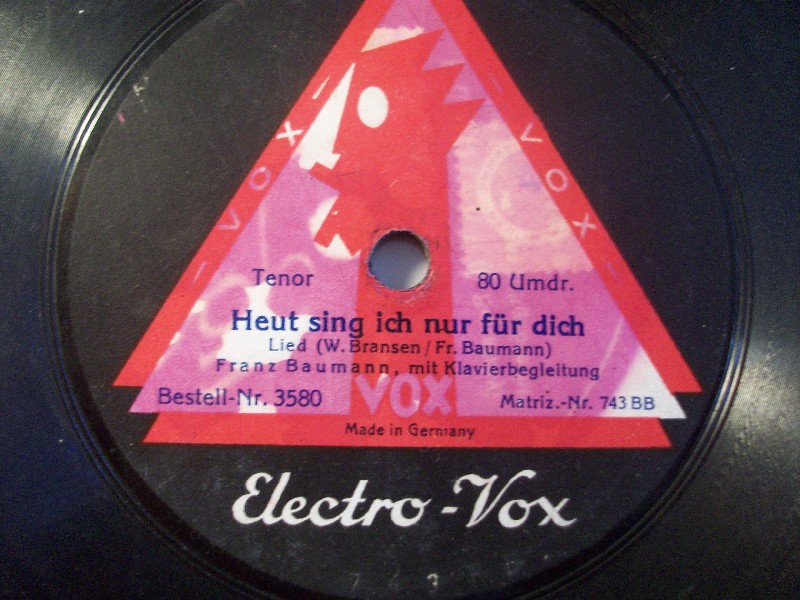
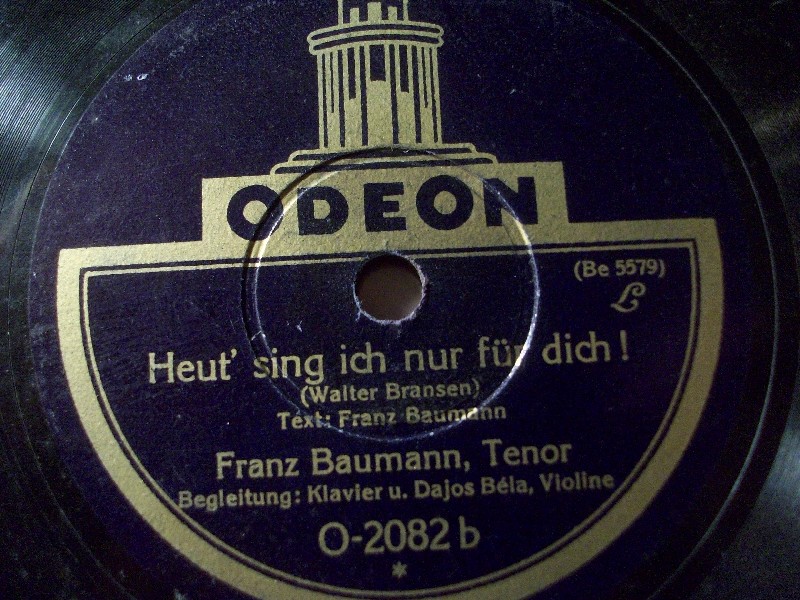
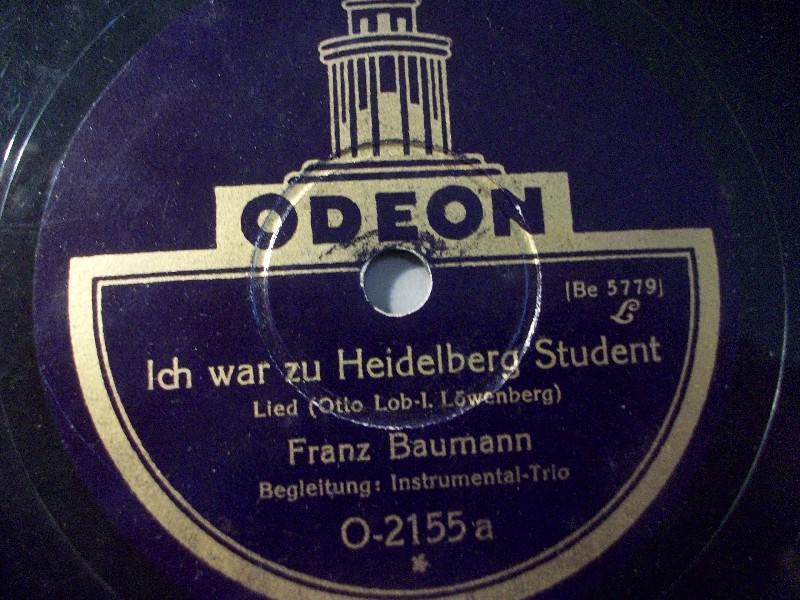
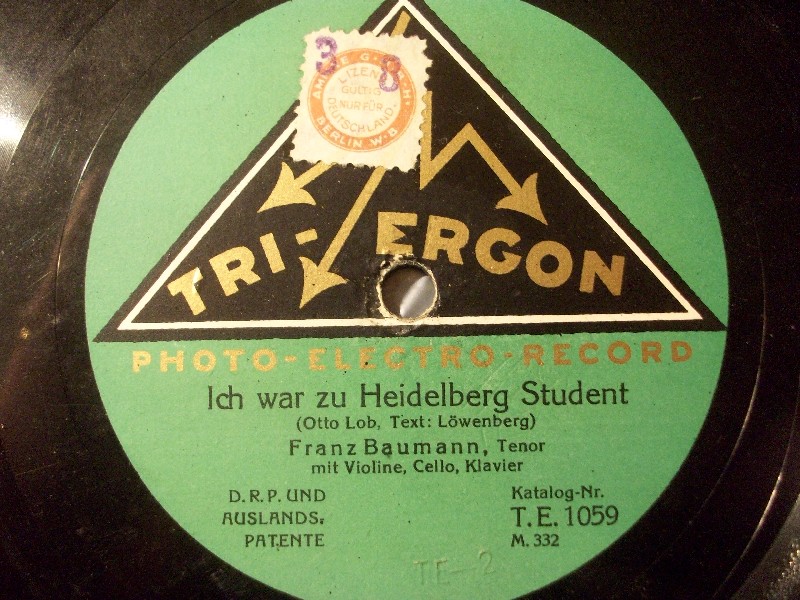
Together with the dance teacher Walter Carlos, who also worked on the new medium of radio as a "radio dance teacher", he created the "German Dance" DETA in autumn 1927, which was also distributed on records For two feature films he was involved as a film composer The songs from the film Ich war zu Heidelberg Student (director Wolfgang Neff. World premiere: 1 July 1927, Berlin, U.T. Turmstraße) were popularised by the German singer Franz Baumann, who also wrote lyrics himself. Bransen wrote the premiere music for the film Die Frau, nach der man sich sehnt (director Kurt Bernhard. Premiere 28 April 1929, Berlin, Mozartsaal). Other compositions for the film were provided by Edward Kilenyi and Giuseppe Becce.
Bransen was married to the Polish-born soprano Dorothea Manski. There is evidence of a test recording of her with a composition by her husband ("Anita-Boston") for the Berlin company Vox, whose lyrics "Baby, träum' von mir, träume süss" were written by Karl Brüll.
As a Jewish artist he saw his existence threatened by the strengthening of the National Socialists and was forced to emigrate; with his wife and daughter Inge he left Germany even before the Machtergreifung in 1933. On the steamship "Ïle de France they sailed to America. Bransen would have had to have his medical training in Germany recognised in the USA by taking another exam, which he refused to do. He preferred to play the violin in the orchestra of the Metropolitan Opera in New York, where his wife was engaged as a singer.
In America, he continued to compose songs. He set poems by Robert Burns and Christina Georgina Rosetti to music, as well as several texts by Thomas Grant Springer. Walter Bransen died in Bloomington, Indiana (US) in 1941.
Worldcat lists 28 titles by Bransen:.
a) for "Will Rollins":
b) for Walter Bransen:
The documents can all be found on YouTube:
| International | |
|---|---|
| National | |
| Artists | |
| People | |
| Other | |